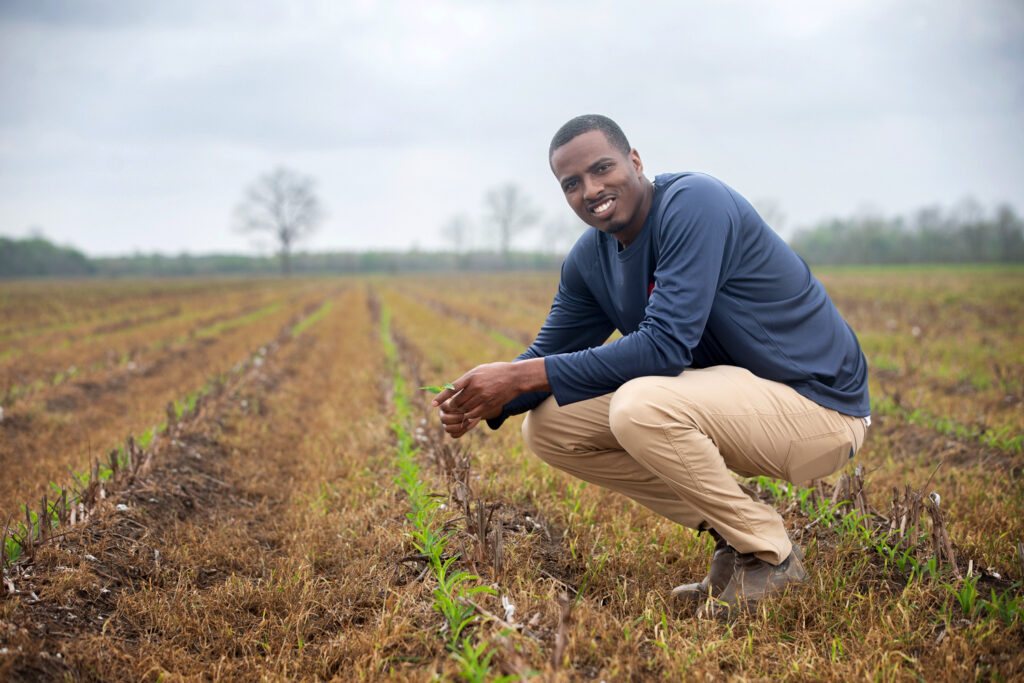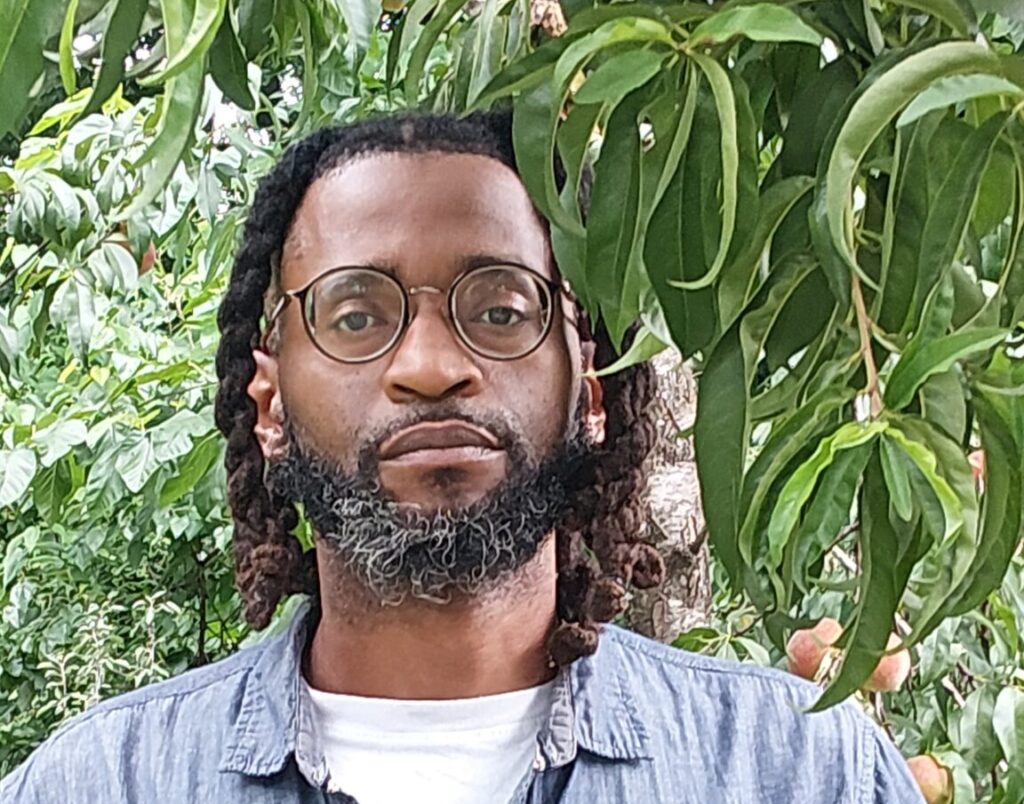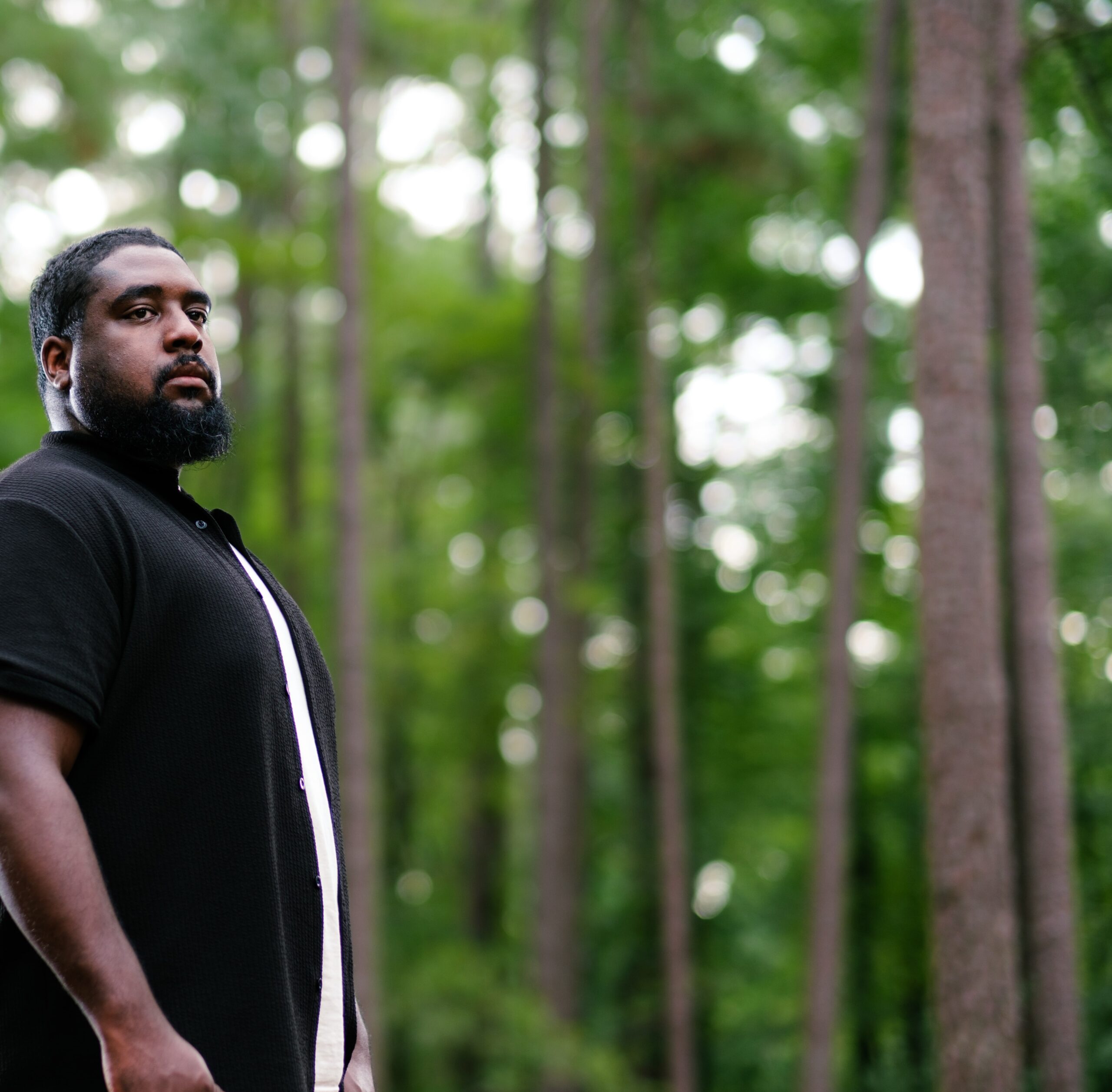
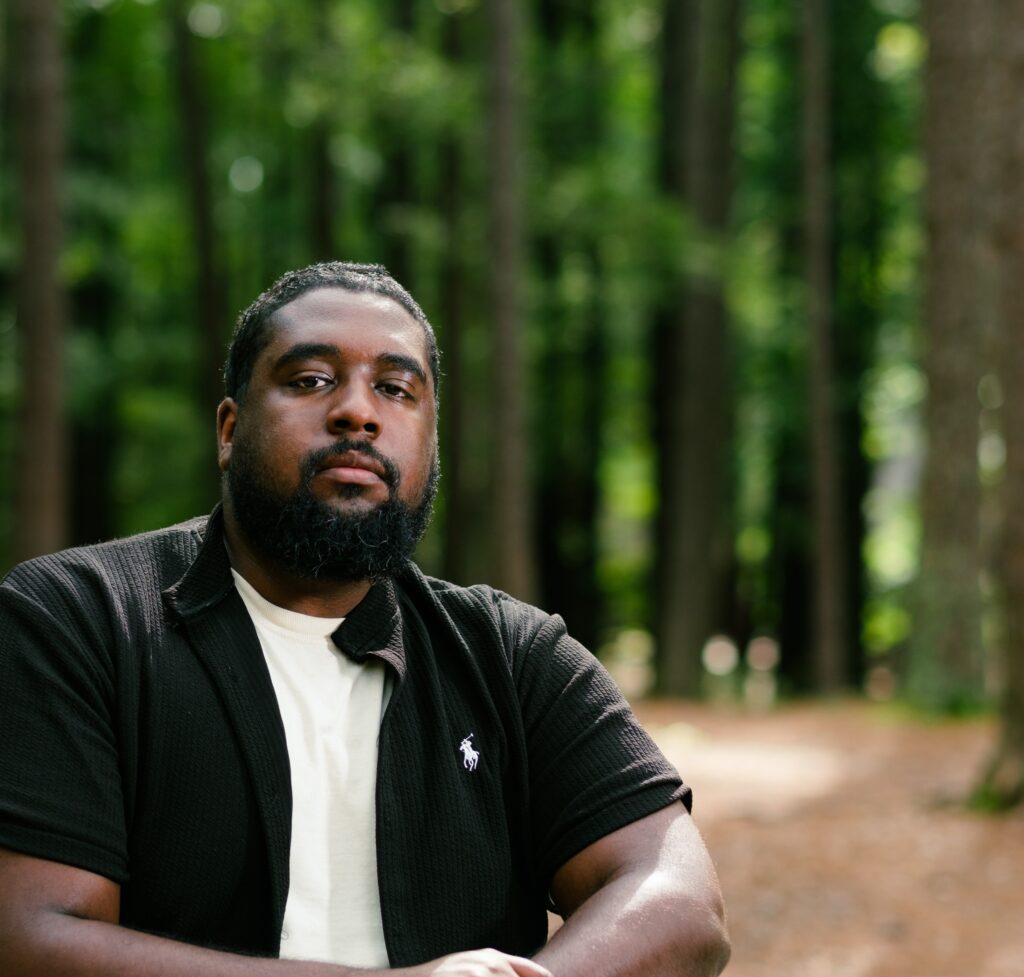
Today, there is a significant lack of representation of minorities in regenerative agriculture supply chains, underscoring the need for effective solutions that enable these communities to thrive in the face of adversity. Leading the charge to address this issue is William J. Barber III, a dedicated descendant of the Piney Woods community in North Carolina.
Through his leadership at the Rural Beacon Initiative (RBI) and Free Union Farm, Barber is redefining our relationship with the land and each other, crafting a vision for a more sustainable future. In this month’s Agripreneur Spotlight article, we take a look at the transformative work of Barber, exploring how he’s uniting clean energy, agricultural innovation, and a commitment to justice to revitalize his community and inspire future generations.
Honoring Heritage Through Legacy and Action
William grew up in Piney Woods, a tri-racial community where Black, Native, and White families united to create a self-sustaining and culturally rich society. He considers Piney Woods’ history a blueprint for a sustainable future, noting that it was a place ahead of its time. “Through my work in agriculture, clean energy, and community development, I aim to honor Piney Woods’ legacy while paving the way for generations to come,” he says. Yet, he is acutely aware of the urgency of his mission.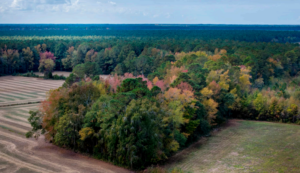
As he puts it, our nation faces a tri-crisis of poverty, climate change, and democracy, and he knows that the time for action is now. “My calling has been to locate myself within this moment and use every tool available,” he reflects, actively seeking to create models of resistance and transformation. With this perspective, he embraces a legacy of self-determination, entrepreneurial spirit, and land-based sovereignty, which fuels his passion for reimagining possibilities and encouraging active community engagement.
Williams’ passion for continuing a rich legacy, his refusal to be a bystander during urgent times, and his belief in the possibilities of the future inspired him to establish Rural Beacon Initiative (RBI). This initiative is a movement aimed at integrating regenerative agricultural practices with renewable energy solutions. It also seeks to revitalize a vision rooted in Barber’s rich heritage while addressing the critical need to reclaim the rightful role of stewardship over land, community, and creativity.
Empowering Communities for a Sustainable Tomorrow
RBI’s mission is to increase ownership diversity in regenerative agricultural and renewable energy supply chains. Historically, rural communities have been marginalized, and RBI envisions a future in which they have equal opportunities to engage with and benefit from these systems. Through strategic programs and partnerships, the Initiative empowers local stakeholders to develop equitable and sustainable solutions to the climate crisis.
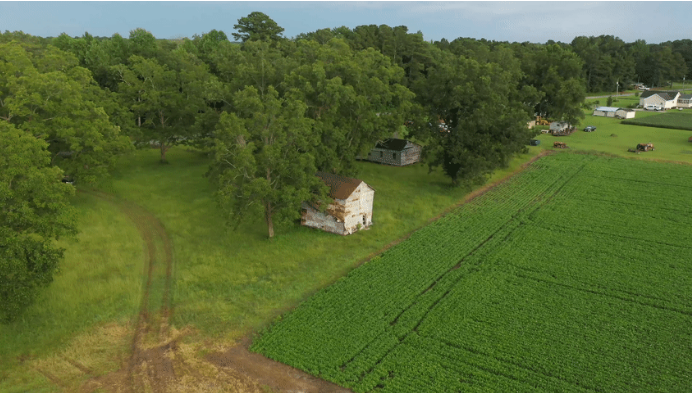
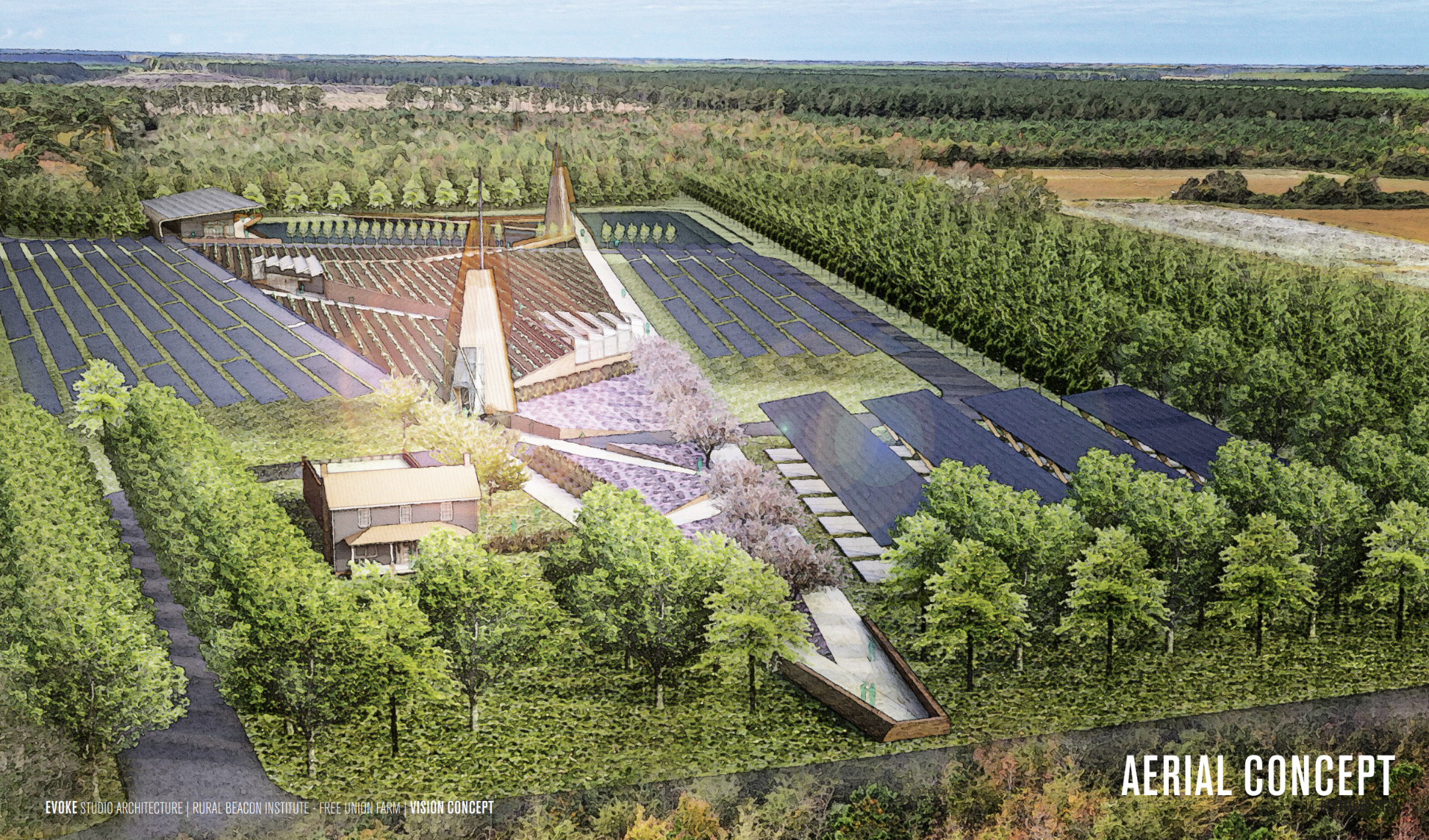
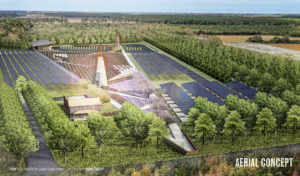
At the heart of RBI’s mission is a commitment to transforming the agricultural landscape through a multi-dimensional approach. To fulfill this commitment, RBI revitalized Free Union Farm in 2022, transforming it into a dynamic Sustainability Hub, a pilot project that embodies the principles of regenerative economics grounded in justice and innovation.
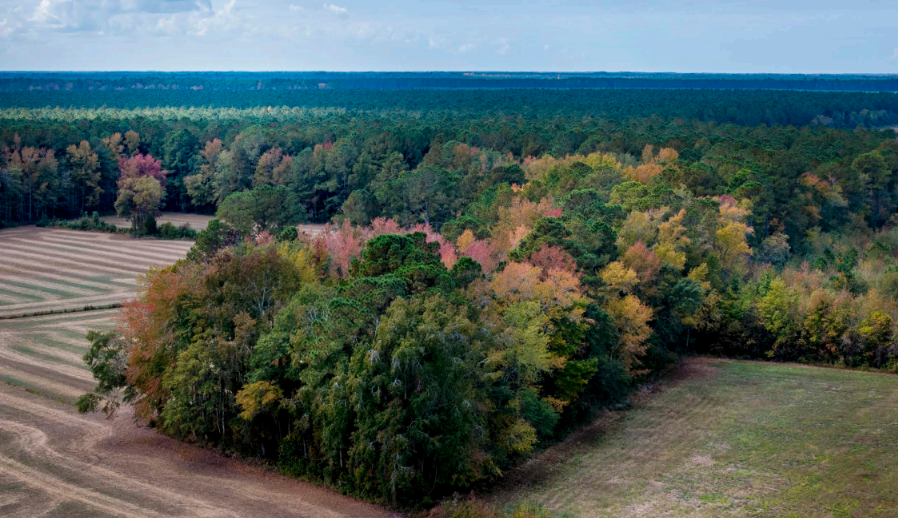
The Sustainability Hub at Free Union Farm showcases RBI’s vision. By merging agrivoltaics — the integration of solar energy with crop production — with regenerative agriculture and native forest restoration, RBI is creating an environment where food security, renewable energy, and ecological health can thrive together on the same landscape. This innovative strategy emphasizes not only sustainability but also climate resilience, heritage reclamation, and how land can catalyze community wealth and energy democracy.
The Sustainability Hub also acts as a crucial platform for educational initiatives focused on clean energy and community engagement. In collaboration with the Environmental Justice Oral History Project, RBI also highlights local histories and develops strategies that align with the cultural, legal, and ecological realities of diverse communities.
Being Intentional About Transformative Change
Innovation with intentionality is at the core of RBI’s transformative initiatives. Their Sustainability Hub model stands out because it bridges the gap between visionary land stewardship and the financial systems needed to scale these efforts. The enterprise uses an interdisciplinary approach to combine unique solutions, recognizing that no single structure alone can resolve decades of land loss, disinvestment, and extraction.
“What truly sets us apart is our commitment to pairing these practices with the necessary mechanisms to scale and impact regional supply chains,” William explains. The enterprise’s goal is to create projects that are replicable, investable, and anchored in long-term community benefits. By employing tools such as blended capital stacks, conservation easements, community ownership models, and catalytic capital from mission-aligned investors, RBI aims to make a lasting difference.
Inspiring a Collective Journey Through Community and Collaboration
William strongly believes in leadership that is intertwined with the cultural and historical fabric of the community he serves. In addition to the Sustainability Hub, RBI operates the Justice40 Hub, a collaborative technical assistance and capacity-building engine designed to accelerate an entire ecosystem of projects offering local solutions to the climate crisis across the region.
RBI currently collaborates with ten grassroots organizations in the state, focusing on initiatives that range from frontline climate justice coalitions to community gardening networks. This reinforces the belief that sustainable transformation must be co-created from within the community. Unlike traditional top-down approaches, RBI’s partnerships thrive on building resilient networks and acknowledging the histories that demand recognition and empowerment.
Moreover, RBI honors the legacies of those whose labor, land, and leadership have often been overlooked by investing in community history projects. These stories, passed down from the elders of the community, carry the resilience and brilliance of previous generations. RBI actively utilizes these historical narratives to guide its strategic decisions and stewardship plan, ultimately shaping how the organization navigates the climate crisis and regenerative agriculture landscape.
A Vision Turned into Tangible Results
William also takes pride in seeing his vision come to fruition, which stems from the establishment of skilled, values-aligned partnerships. Building a collective endeavor compelling enough to inspire others is no small feat, but William sees this as essential to their mission. “Our greatest achievement isn’t simply that people said ‘yes,’” Williams shares. “It’s that they saw themselves in this work and committed to building with us. That is how movements become institutions. That is how vision becomes reality.”

The creation of valuable partnerships with organizations such as the Croatan Institute, Foodshed Capital, and grassroots collaborators like Golden Organic Farm has also fostered a robust and dedicated ecosystem focused on rural regeneration and sustainability. This network believes in the mission of RBI, which is what makes it special.
As a result, what was once a dream has been translated into action. RBI has executed joint contracts with Black growers, structured deals that promote real equity, and created spaces for farmers to lead in shaping a new sustainable economy that reflects their dignity and legacy.
Empowering Tomorrow’s Farmers
For those looking to start a farm or agribusiness, William emphasizes the importance of surrounding oneself with the right experts and a dedicated support network. “It’s crucial to your success to have the right levels of commitment around you,” he says. He notes that building a farm from scratch can be a daunting task, making it essential to assemble a team that shares your vision while avoiding naysayers who could undermine progress.
He goes on to say that with the right mindset, commitment, and collaboration, success is attainable. This commitment to surrounding yourself with the right support, which is essential for any farm startup, reflects a fundamental truth about William’s overall vision. His journey highlights the clear truth that the path to justice is not one we walk alone. And through collaboration, innovation, and a commitment to community-building, we can create meaningful change.
The work of RBI and the Sustainable Hub at Free Union Farm serves as a testament to the power of collective action. It strengthens the belief that when we nurture relationships with each other and the land, we can cultivate a legacy of justice, resilience, and prosperity in our communities.
To learn more about Williams’ journey, the Rural Beacon Initiative, and Free Union Farm, please visit:
Website: Rural Beacon Initiative
Facebook: Rural Beacon Initiative
Instagram: @ruralbeaconinitiative
LinkedIn: Rural Beacon Initiative