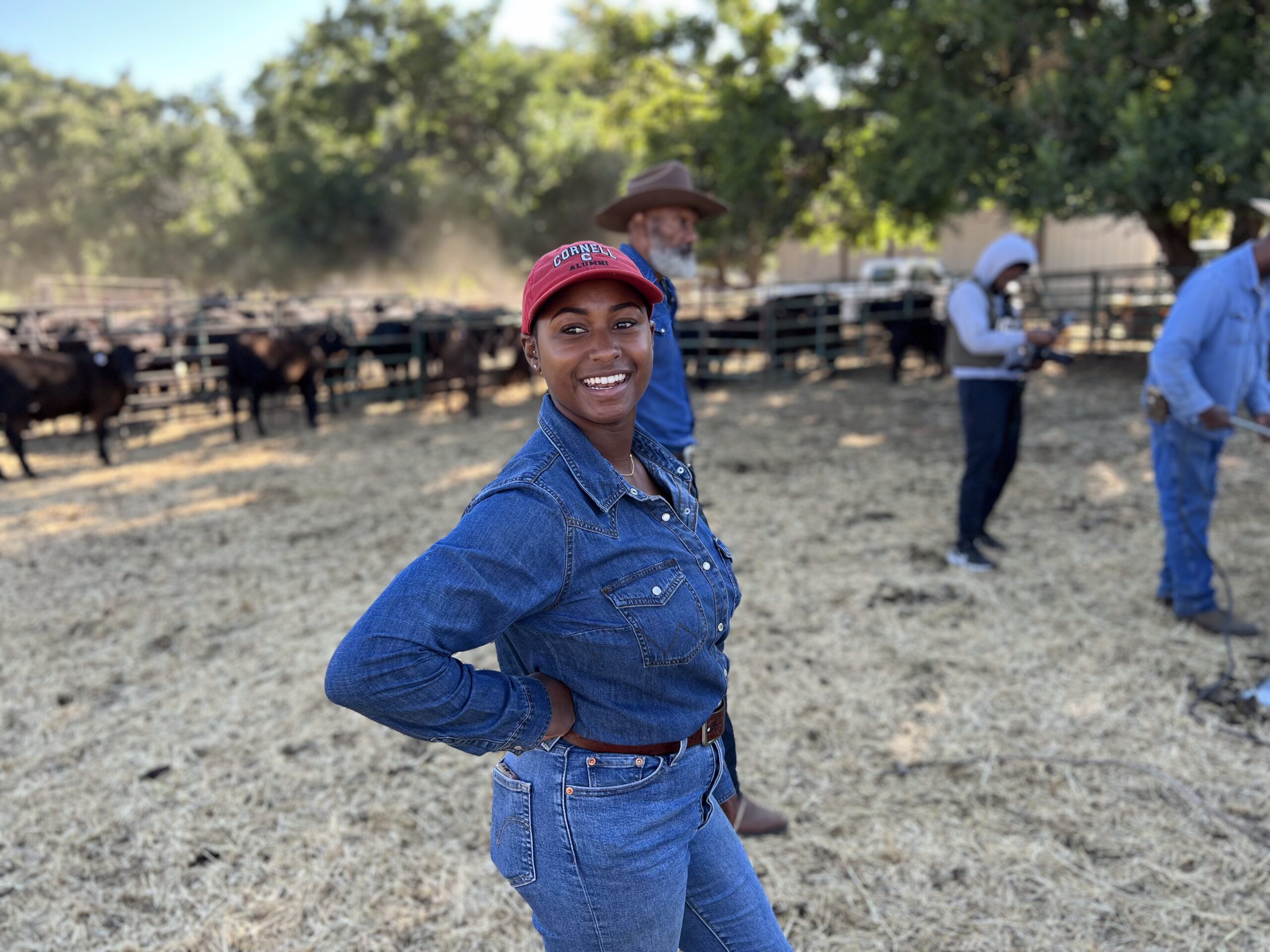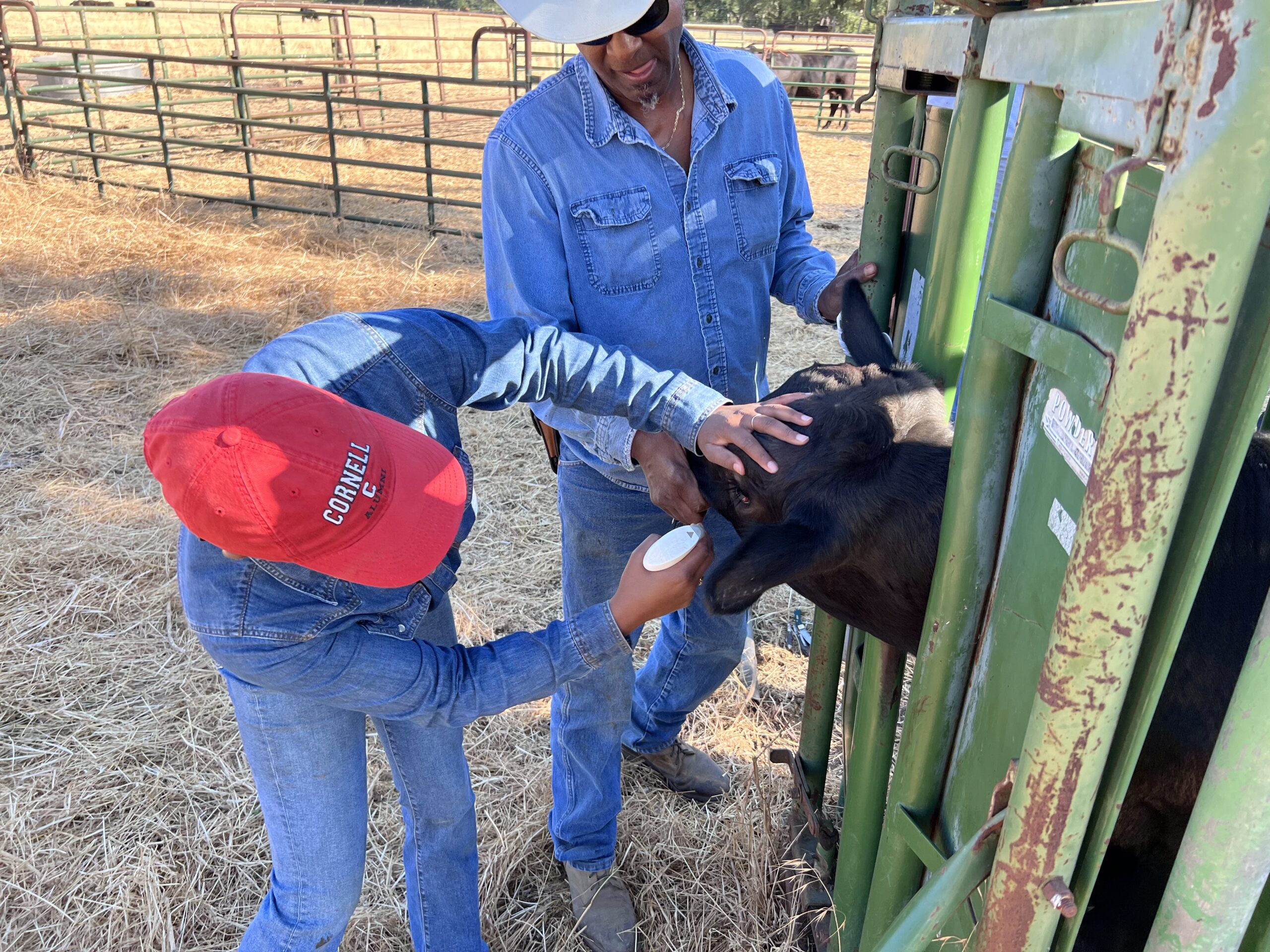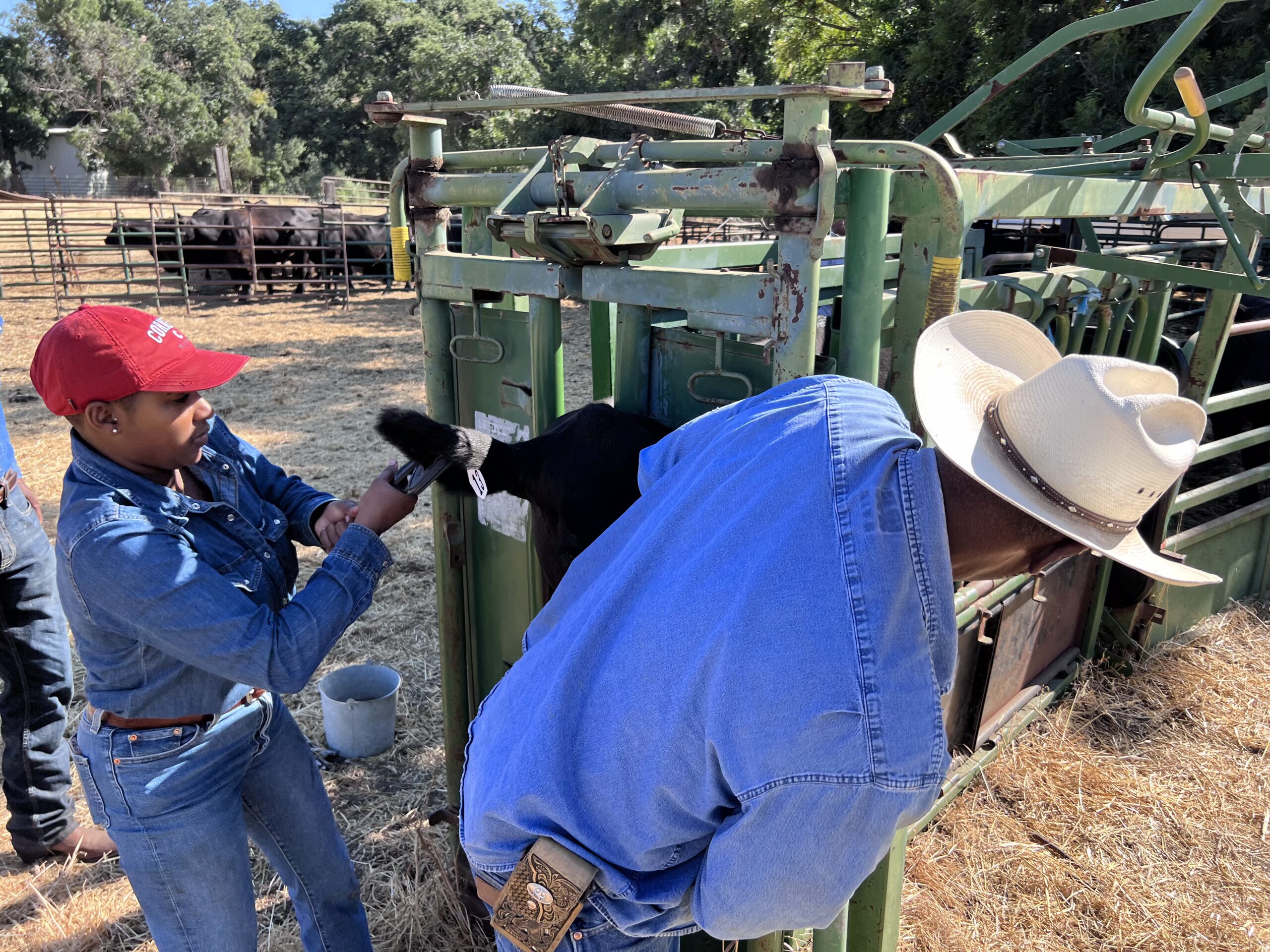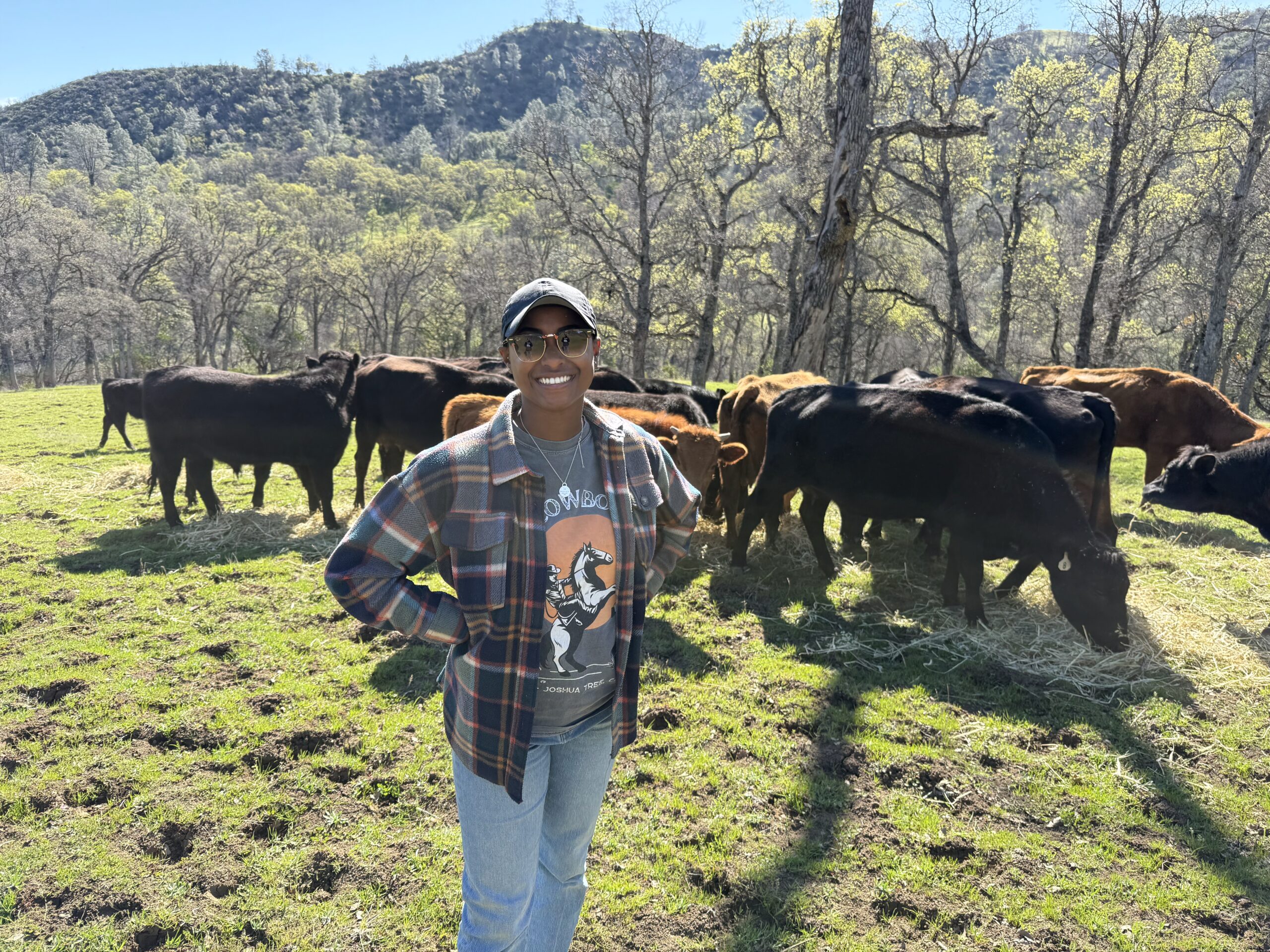
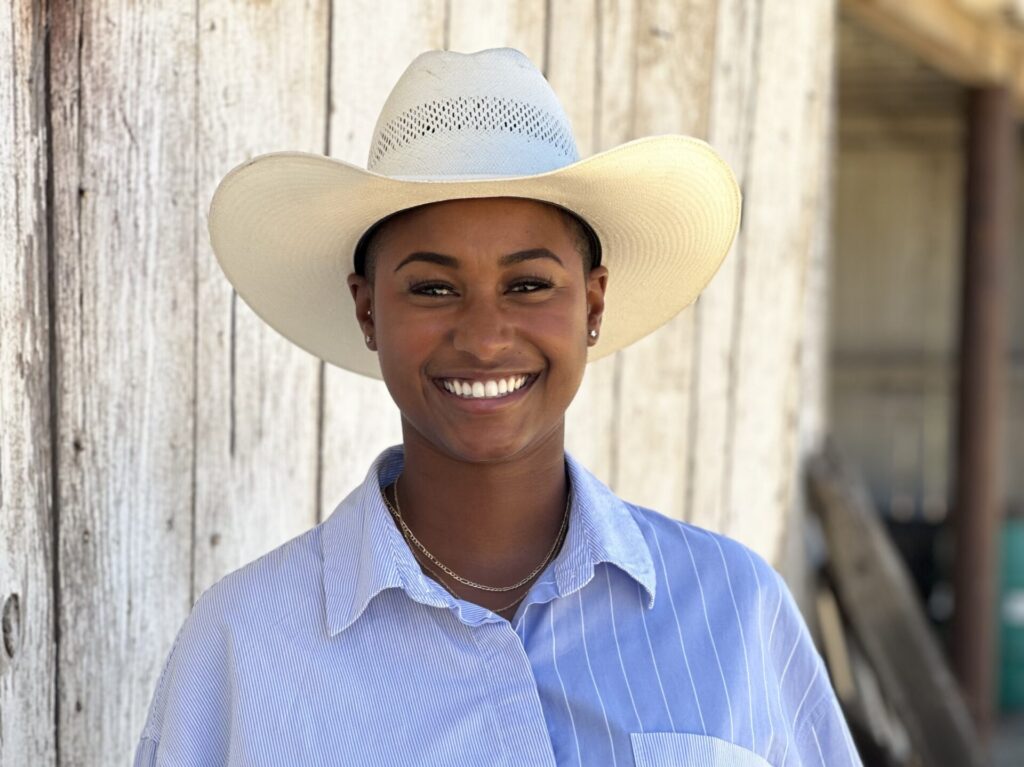
Rizpah Bellard, owner of Nova Farming, is working to create space and opportunity for Black and underserved farmers and ranchers in an industry historically dominated by others. With a rich family history rooted in agriculture, Rizpah continues her family’s ranching legacy while using her platform to tackle systemic barriers encountered today. From land access challenges to fostering agricultural education, Rizpah’s story is one of resilience, innovation, and a deep commitment to empowering others.
 A Legacy of Agriculture and Overcoming Barriers
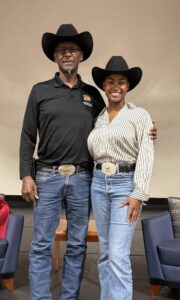
Rizpah’s family’s history in ranching stretches back generations to Arkansas, Louisiana, and Texas, where her paternal side was involved in cattle ranching and horse breeding, and her maternal side worked in cotton fields. Her father, who studied agricultural sciences at Fresno State, raised cattle and worked tirelessly to ensure that agriculture remained a family tradition. Like many Black farmers, Rizpah’s father faced discrimination and racism from the USDA, which historically denied loans and support to Black farmers and ranchers, limiting their ability to grow and scale their operations. These systemic barriers made it difficult for families like Rizpah’s to access the same opportunities available to other races.
Despite these challenges, Rizpah’s family persevered, teaching her and her brothers the value of hard work, stewardship of the land, and the importance of giving back to the community. “Growing up in agriculture makes you a well-rounded person,” Rizpah explains. “You’re a steward of the land, of the animals, and of the community. It’s about [leaving] everything better than you found it.”
Breaking Barriers and Supporting the Next Generation
Rizpah’s journey to owning Nova Farming was not linear. After studying public health at Cornell University and working in anti-sex trafficking in Oakland, she realized in 2018 that her true passion lay in agriculture. “When we were kids, my dad would bring kids from group homes and foster homes to our ranch to learn about livestock and agriculture,” Rizpah recalls. Her goal was to create similar opportunities for youth to explore the agricultural world, particularly those from underserved and disadvantaged communities.
While working to bring this vision to life, Rizpah faced another significant challenge: land access. The barriers to acquiring land as an underserved rancher are steep, particularly in procuring long-term leases from established landowners. “Without access to land, it’s nearly impossible to grow your operation, especially when competing for larger contracts like those from the government.” This is a critical issue for Black farmers and ranchers who historically were excluded from land ownership opportunities.
Building a Network of Support and Advocacy
Recognizing the lack of representation of Black and underserved farmers in the livestock sector, Rizpah works tirelessly to mentor those interested in animal husbandry. Rizpah shares that “Many Black farmers are more involved in crops and gardens, but not many are in the livestock business…” Through her mentorship, she’s helping others in the community gain the skills and knowledge necessary to navigate the world of raising livestock, where such expertise is often lacking.
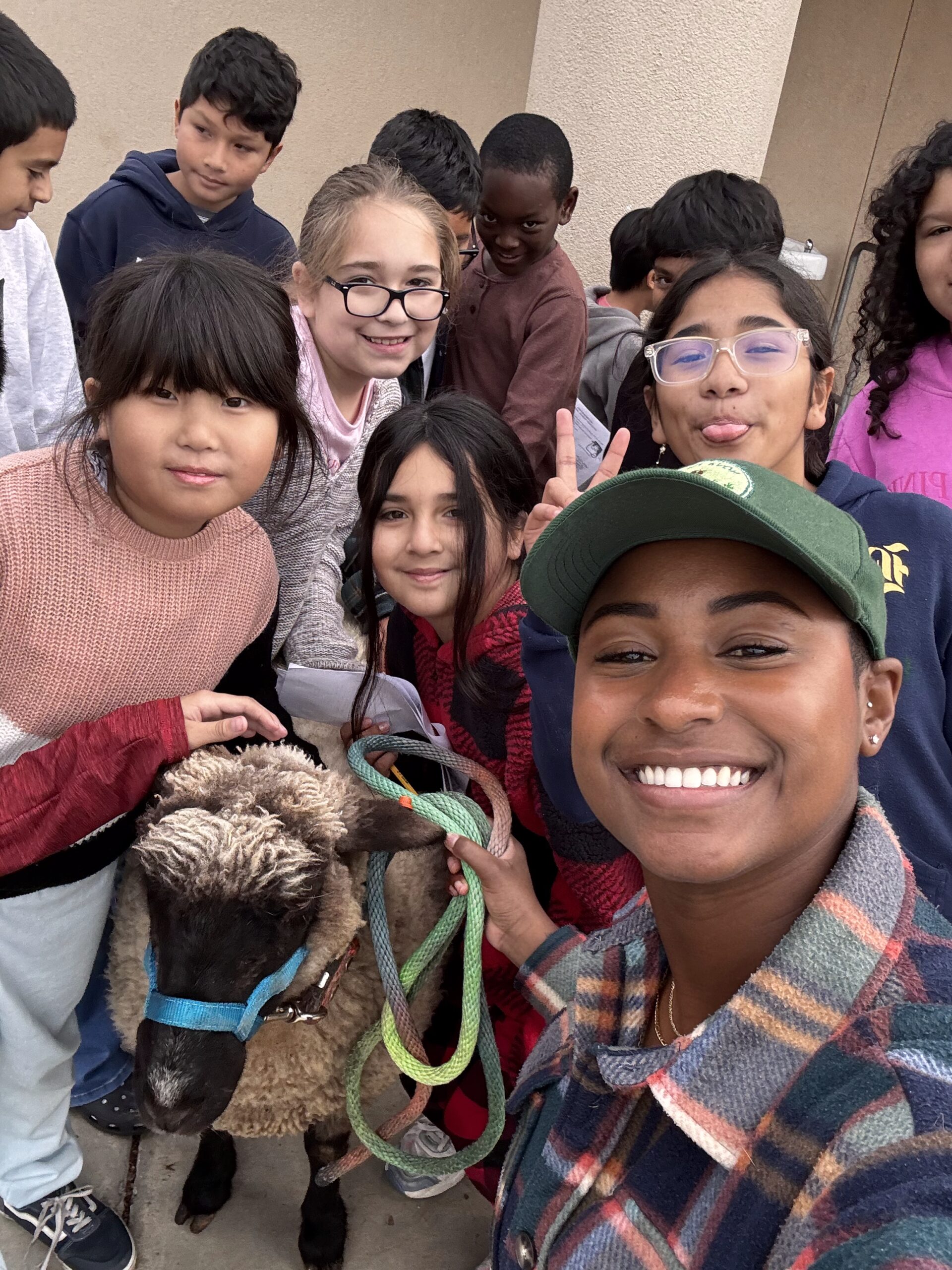
Rizpah is also involved in the Agriculture Platform Collective, an initiative in California’s Central Valley aimed at supporting small minority-owned farms with access to larger markets and resources. By working alongside Southeast Asian and Spanish-speaking farmers in the area, Rizpah is fostering a collaborative approach to overcoming the barriers many small farmers face. Because of her dedication, Rizpah has become instrumental in helping the Fresno Unified School District implement agricultural education programs, teaching marginalized students about agriculture and inspiring them to pursue careers in the field.
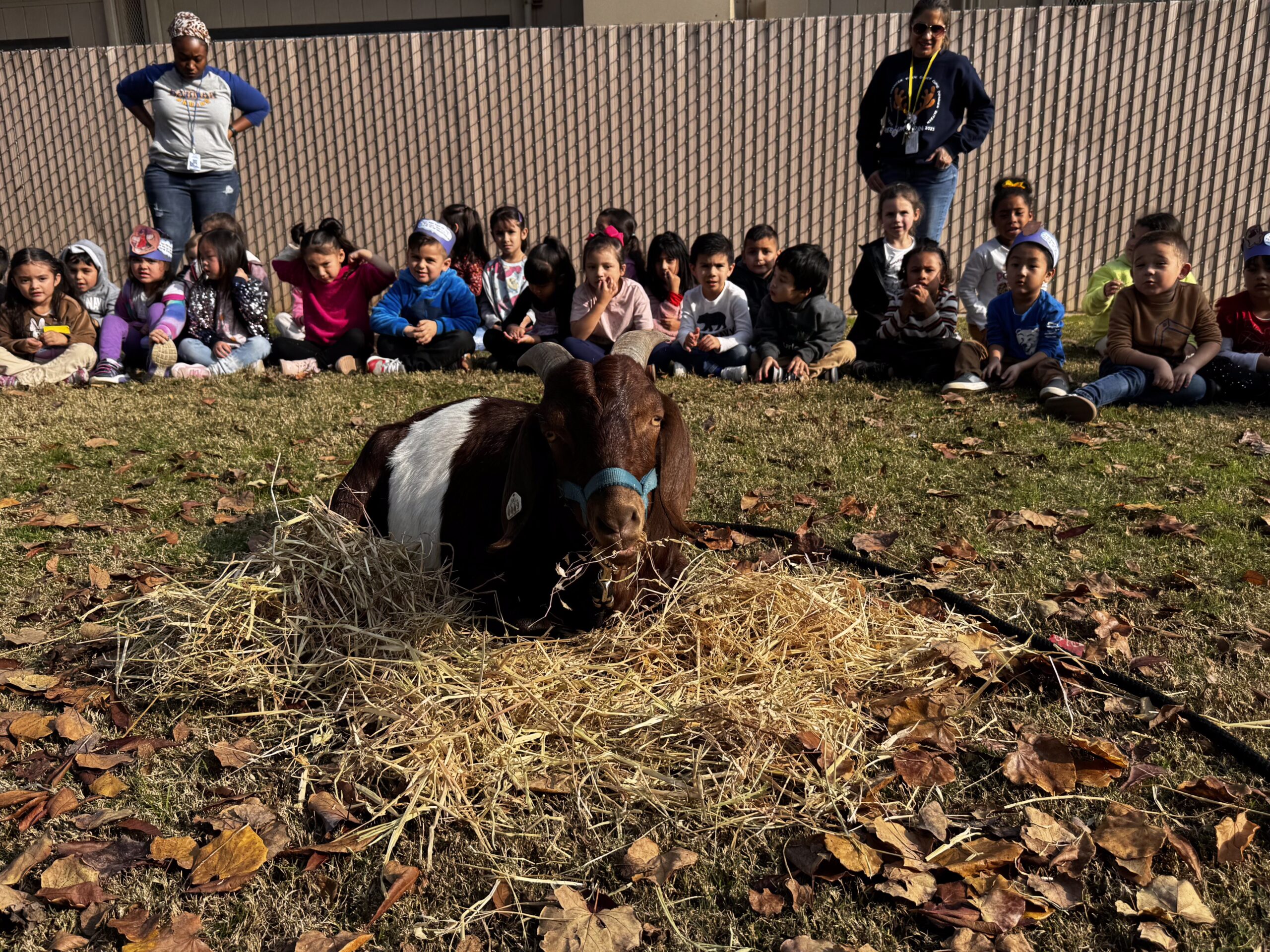
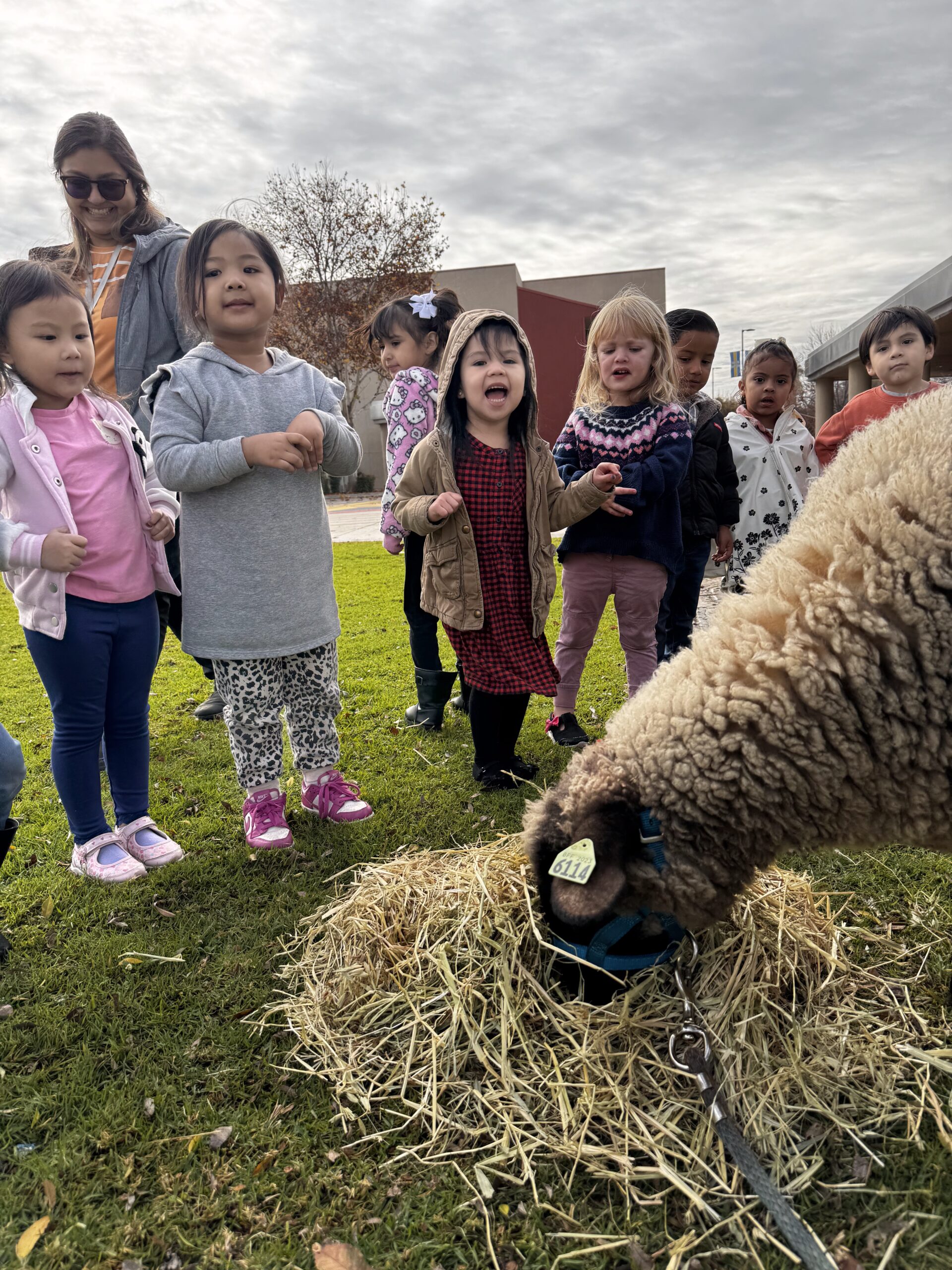
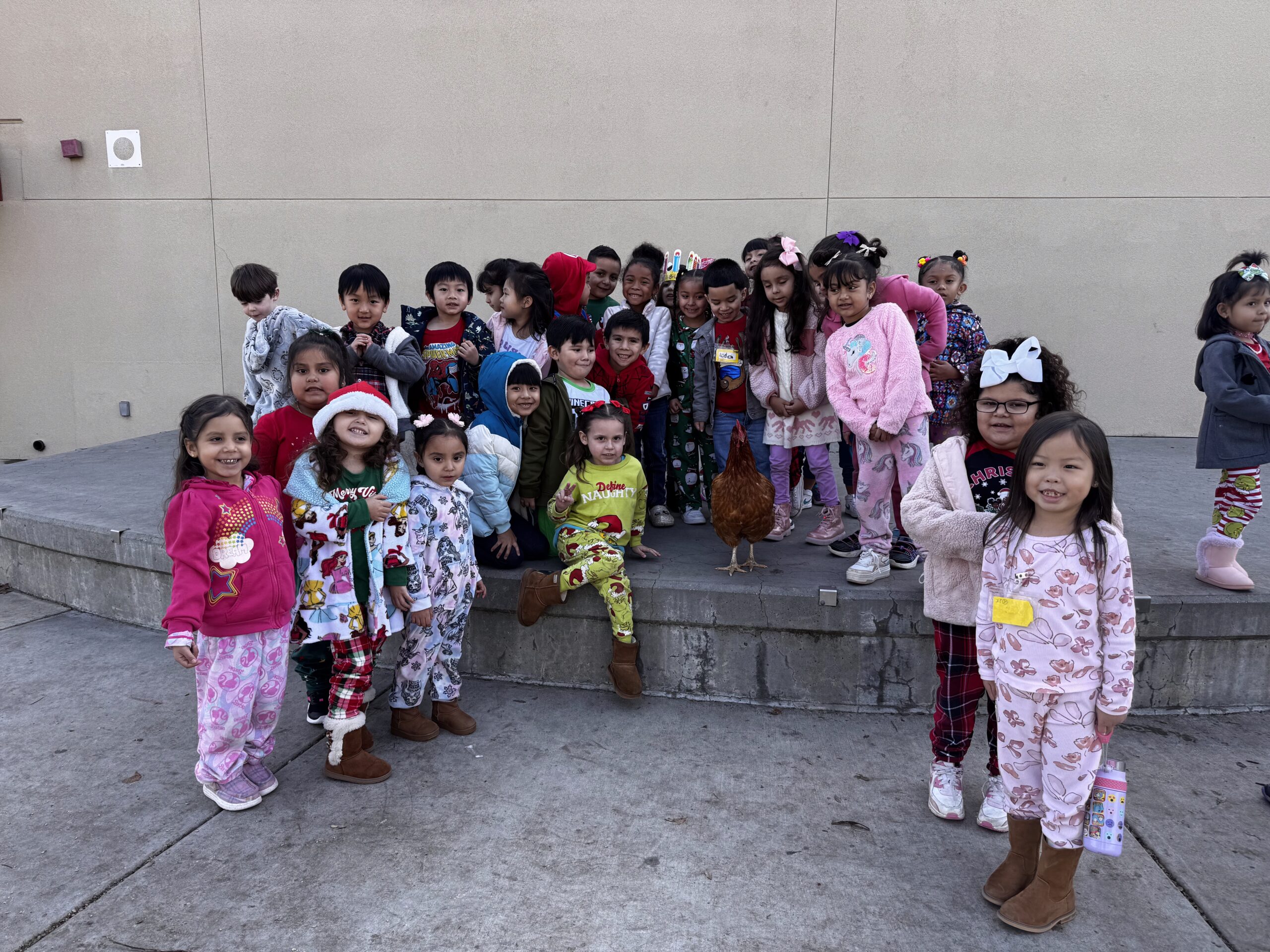
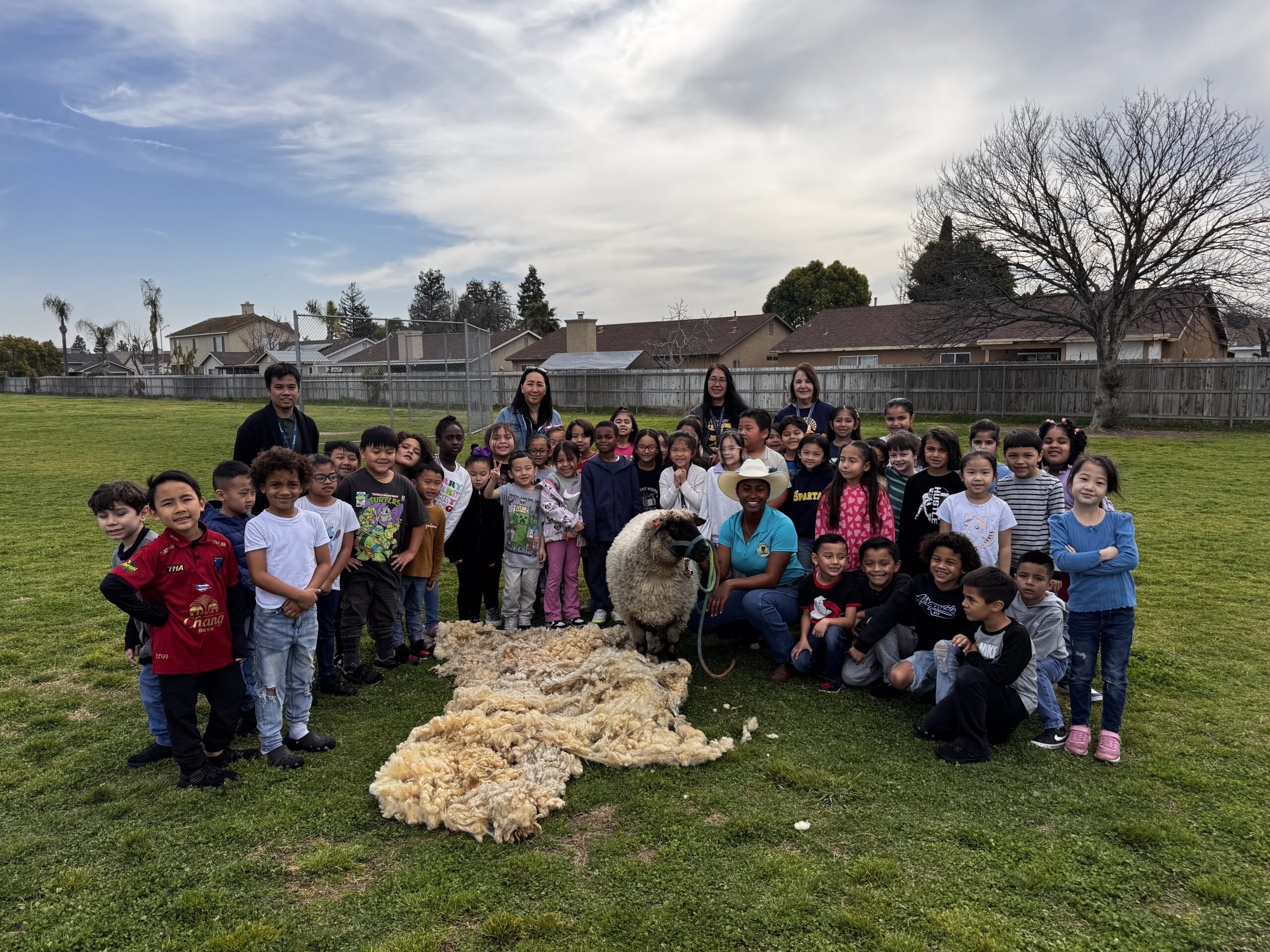
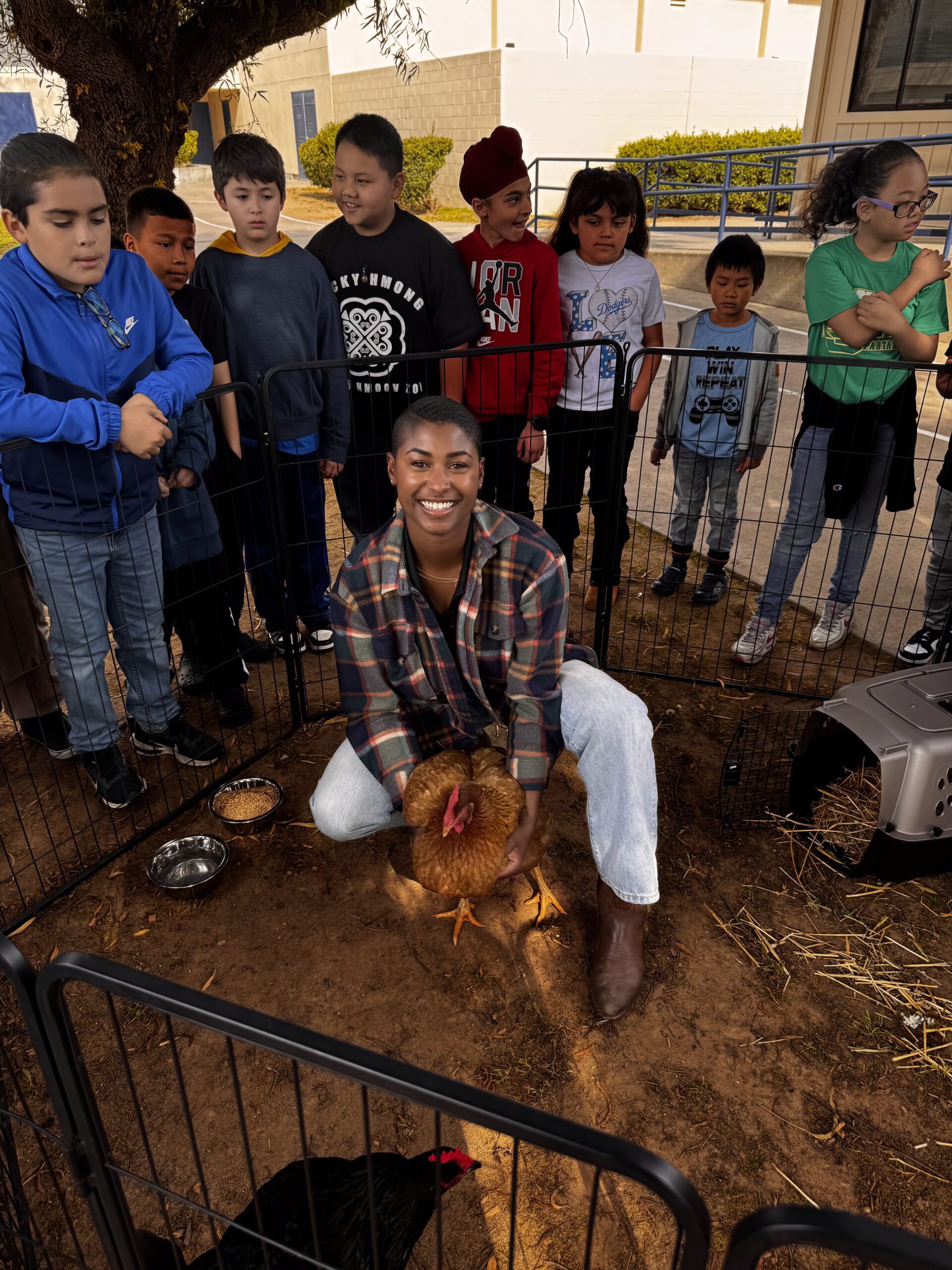
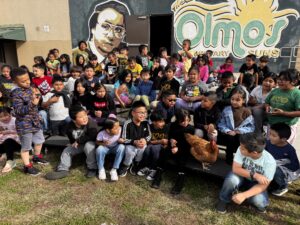
Her work to expand agricultural education extends to K-12 schools, where she brings small livestock into classrooms, allowing students to learn firsthand about livestock care and agricultural practices. This initiative educates young people about where their food is sourced from and serves to bridge the gap between urban youth and rural agricultural careers, opening doors for a new generation to explore farming and ranching.
Innovation and Stewardship: A New Vision for the Future of Agriculture
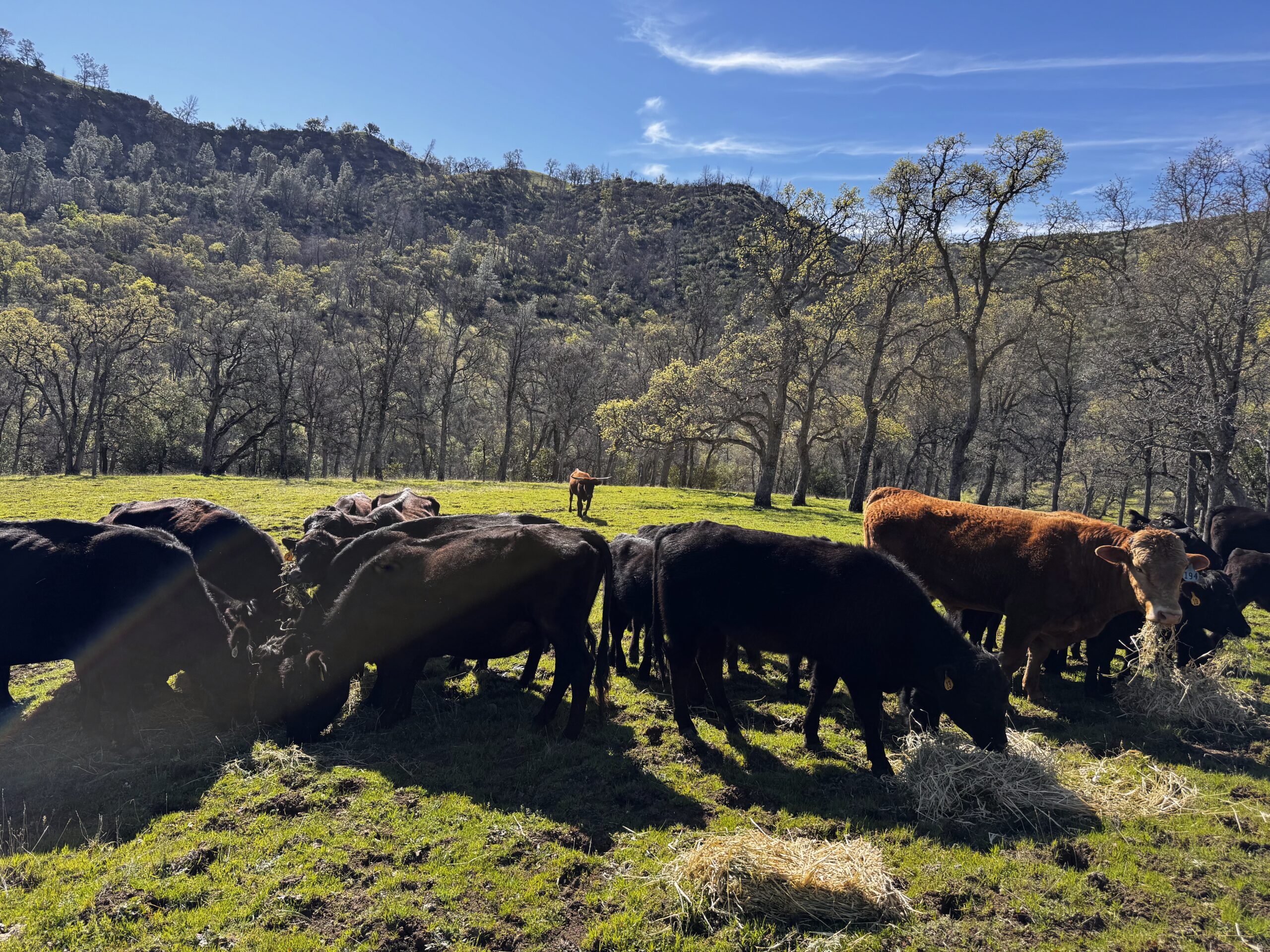
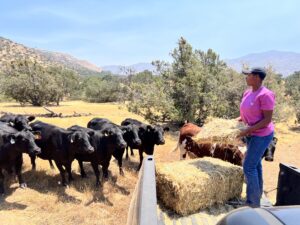
Rizpah’s operation at Nova Farming focuses on raising high-quality beef and providing agricultural education. Her business philosophy is centered around stewardship. “Being a steward means thinking long-term… It’s about ensuring that the land and the animals are cared for and the community thrives alongside the farm.” Although Rizpah’s operation is grounded in traditional practices, her approach also includes a modern, sustainable outlook. She’s GAP-certified, meaning that her herd meets Global Animal Partnership standards, ensuring ethical treatment and care of her animals.
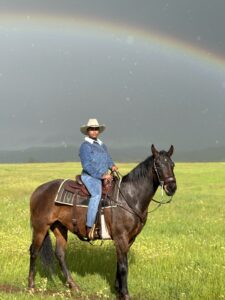 Her commitment to education and empowering others in the future of agriculture is evident, and she hopes that by sharing her knowledge and experience, she can inspire more underserved farmers and ranchers to break down the barriers that have long hindered their success in the agriculture industry.
In addition to her ranching and educational work, Rizpah is committed to increasing representation and access for Black and underserved farmers and ranchers. She advocates for the next generation, encouraging them to pursue education, gain the right skills, and break through barriers. Her journey is a powerful testament to the strength, resilience, and innovation of Black farmers and ranchers. By tackling the challenges of land access, advocating for greater diversity in the industry, and mentoring the next generation, she is making a lasting impact on agriculture – one that will empower farmers and ranchers for years to come.
Connect with Nova Farming and follow Rizpah’s journey:
Website: www.agnovafarming.com
Instagram:@nova.farming