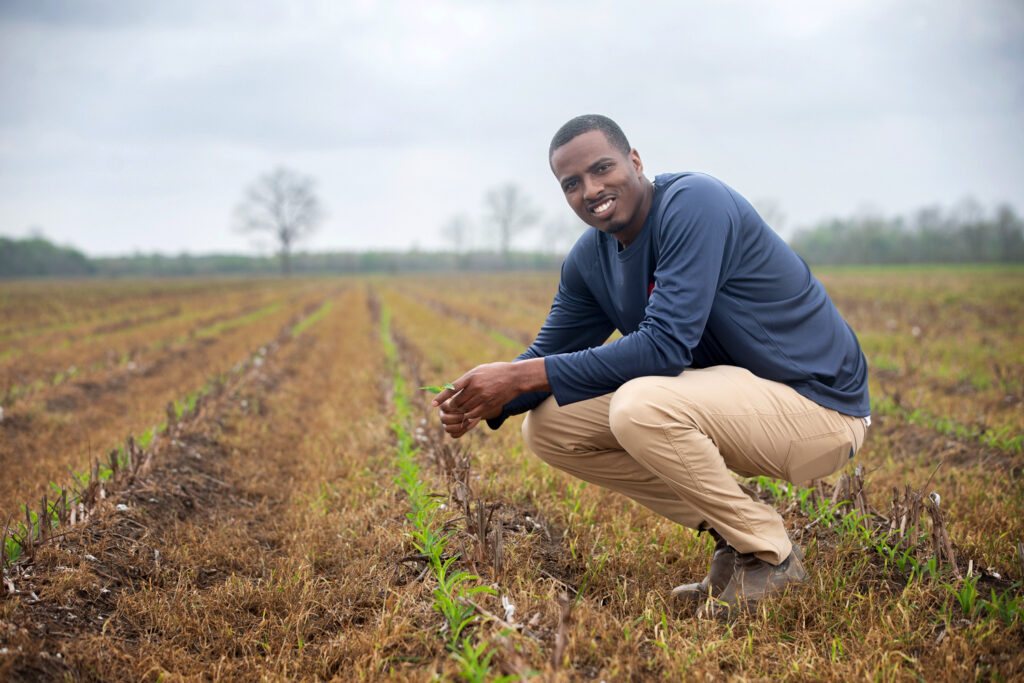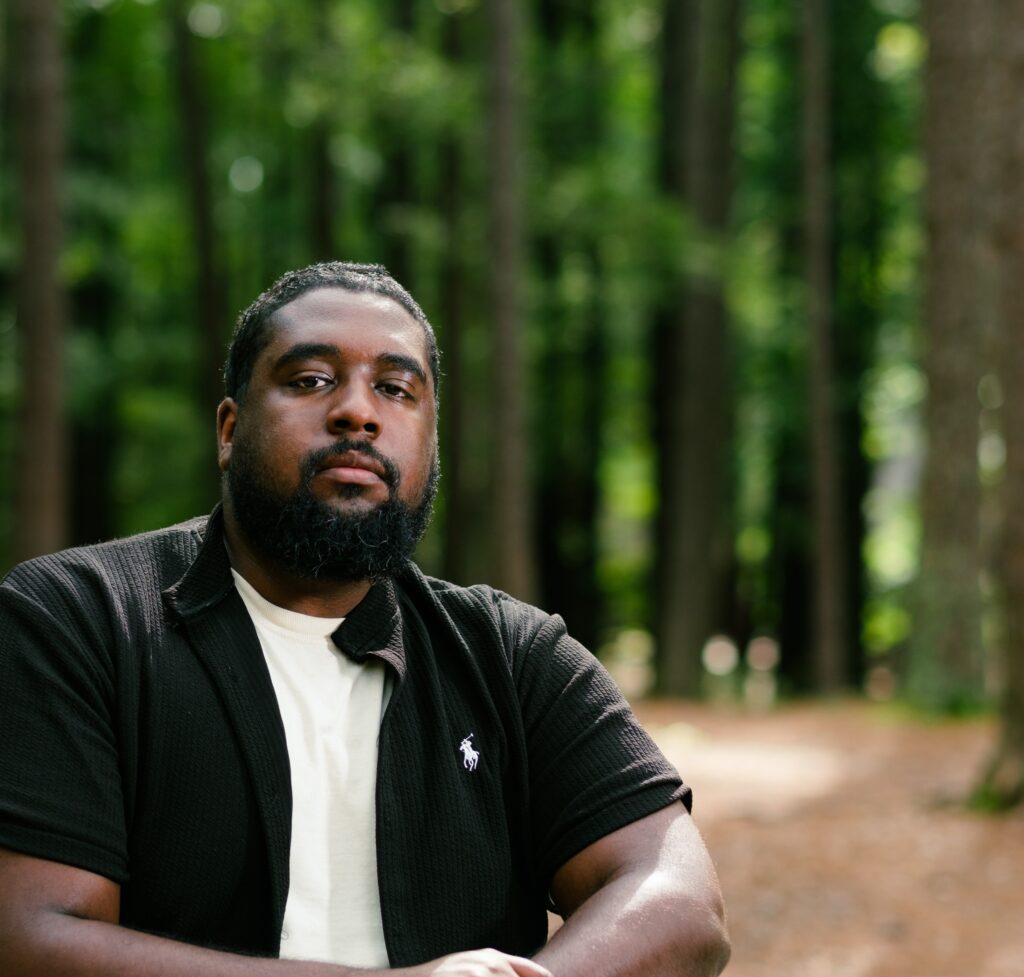
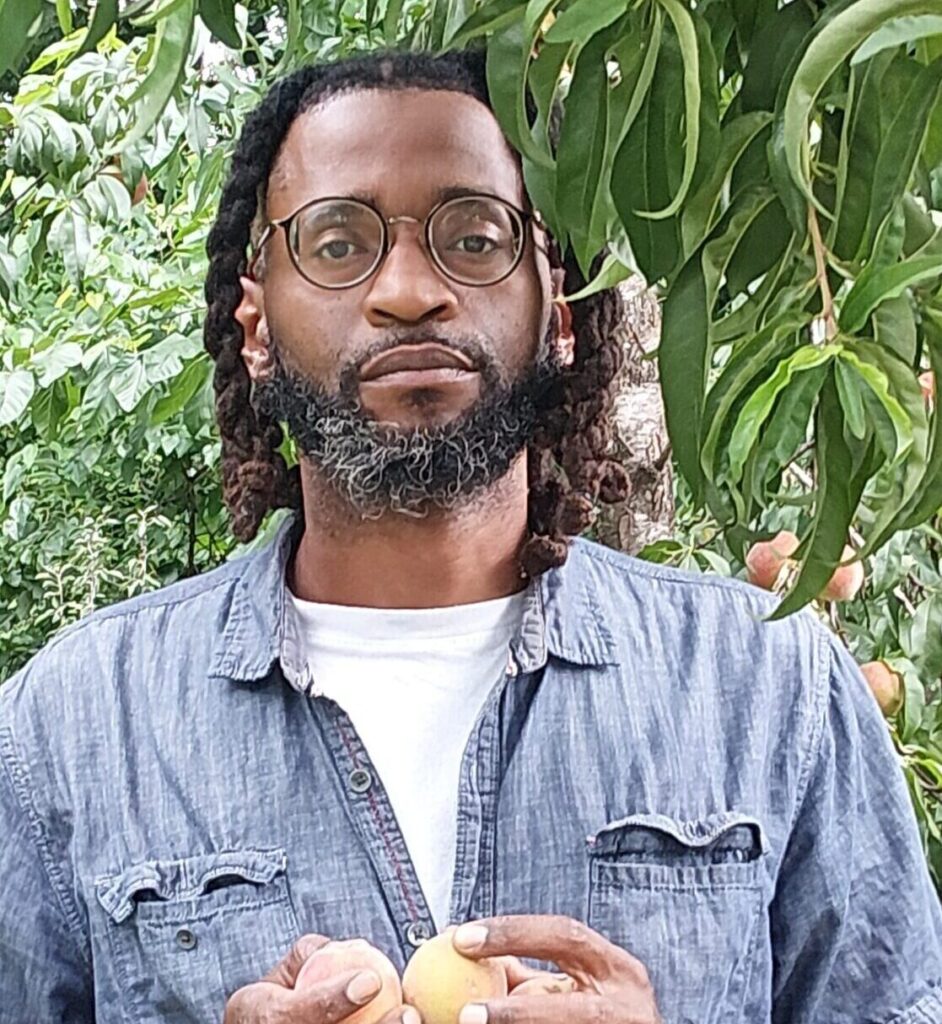

Located in Fulton County, Atlanta, is a micro farm that places education, community empowerment, and food justice at the forefront of its mission. Founded in 2018 by Atlanta native Christopher Lemons and his friend Desmond Baskerville, Gratitude Botanical Farm serves as a vital hub for local upliftment and fresh produce. For Christopher, agriculture is not a trend but a way to keep his family’s rich legacy alive while providing a spirit of abundance to the neighborhood.
This specialized operation is committed to preserving the historic culture of Atlanta through the art of organic urban agriculture. The farm serves as a safe space where residents can gather, network, and fellowship with like-minded individuals who care about sustainable living. By focusing on growing, educating, feeding, and serving, the farm works tirelessly to protect both the local environment and the heritage of its people.
As part of our Agripreneur Spotlight series, Freedmen Heirs Foundation is thrilled to showcase Christopher’s inspiring journey. His work highlights the deep impact that mindful, community-driven urban agriculture can have on historical neighborhoods.
The Spark That Started It All
Christopher grew up in Atlanta, where agriculture quickly became a core part of his DNA. As a fifth-generation farmer, he learned the foundations of farming on the very land purchased by his great-great-grandparents, Joe and Easter Hurley, on his father’s side of the family. Furthermore, his home is situated on the same plot where his mother’s family’s original garden in Peoplestown once thrived.
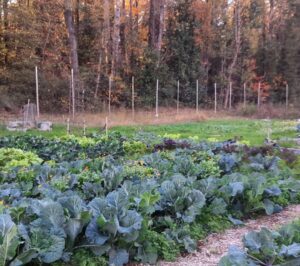
This deep legacy inspired him to continue the tradition into adulthood, driven by a love for growing food and a responsibility to his ancestors. As he shares, “It’s definitely something that’s in my blood and what I consider familial legacy, especially paternally.”
In addition to his deep family roots, Christopher’s extensive background in the nonprofit sector helped him build highly efficient systems for his operation. He’s worked with the Food Well Alliance to support thriving community gardens and with Park Pride to enhance local public spaces. This unique experience provided him with the skills to run a resourceful operation, often repurposing materials to add direct value to the farm.
Ultimately, Christopher wanted to create a self-determined space that provided genuine value to local residents. Today, he is incredibly proud that the farm is still standing strong after eight years of operation through the city’s AgLanta Grows-a-Lot program. Reflecting on his endurance, he notes, “Still being in existence and still being around is my proudest achievement right now.”
The Farm’s Unique Approach
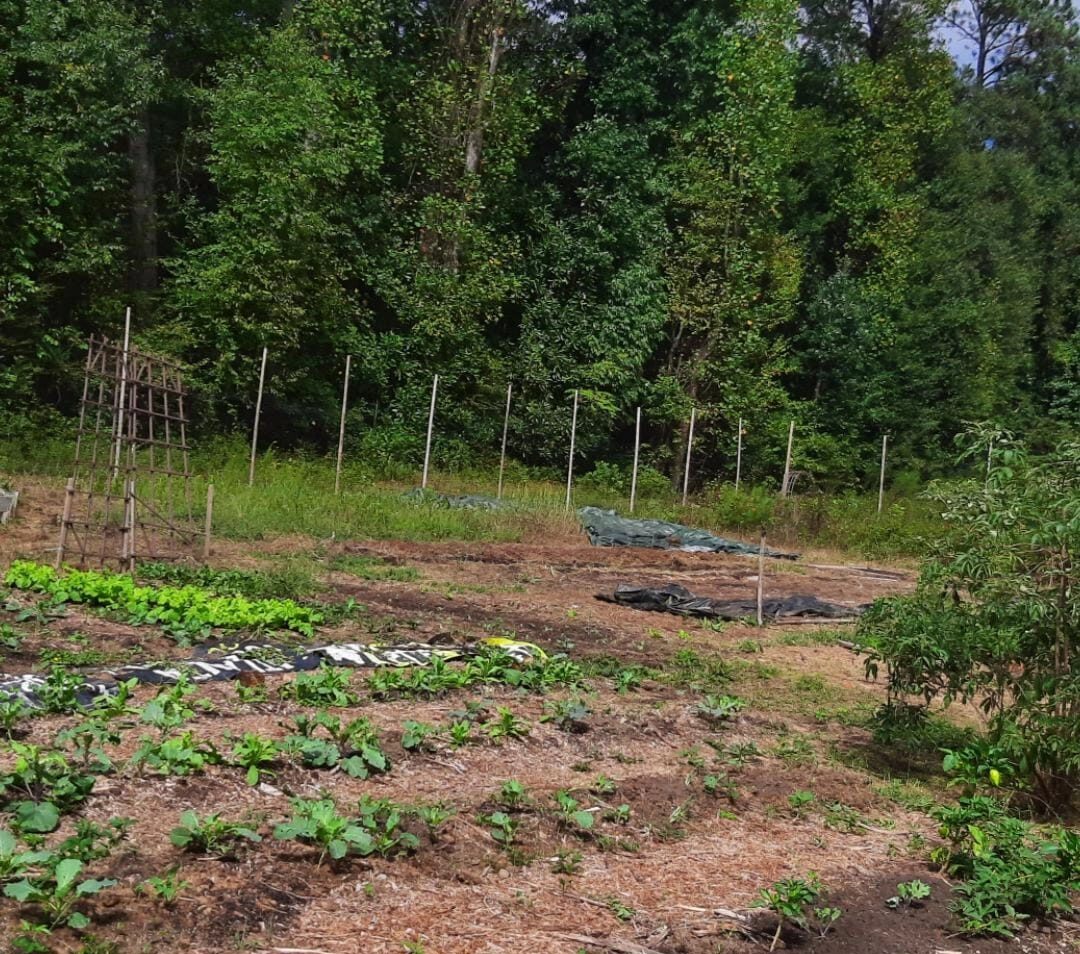
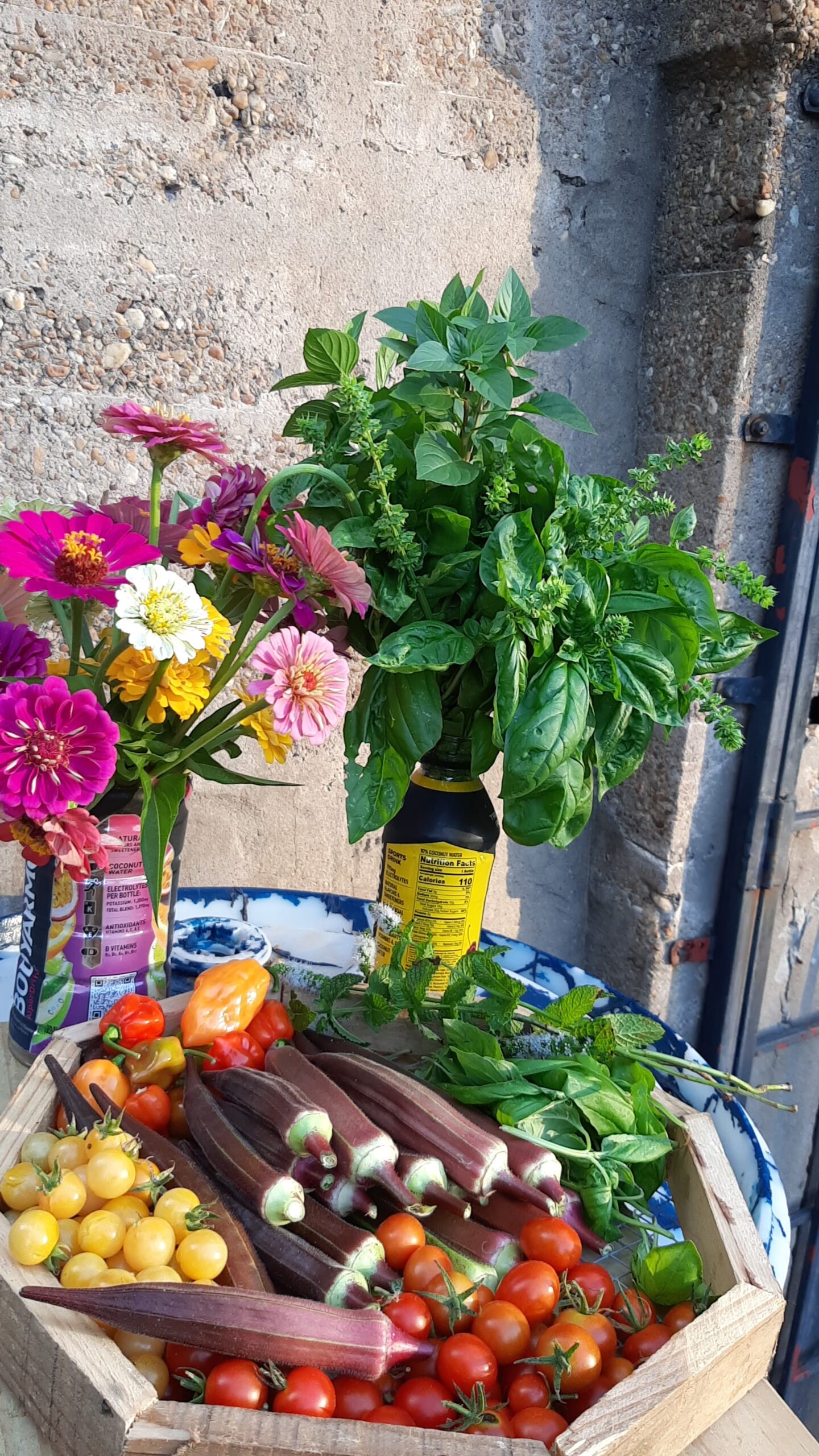
As an urban landscape rather than a traditional rural setup, Gratitude Botanical Farm utilizes an intentional design that aligns naturally with the surrounding environment. Instead of cleared land and perfectly curated rows, the farm features a more ecological layout for cultivating corn, okra, blackberries, elderberries, watermelons, and leafy greens.
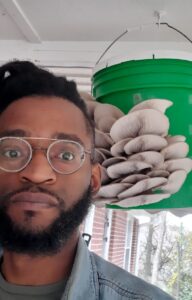 “I grow organically, and I try to limit the use of pesticides and fungicides. I also work with the land, and I like to say that I farm in alignment with nature,” Christopher shares. The farm also specializes in medicinal and pollinator-friendly botanicals, such as Mountain Mint and Passion Flower, alongside unique seasonal offerings like Roselle Hibiscus and dried Lion’s Mane mushrooms.
What truly sets the farm apart, though, is that the operation is unapologetically Black, driven by a commitment to self-sufficiency and ownership. Christopher is actively challenging food apartheid by choosing to grow food directly inside the community where it is needed most, rather than exporting his harvest to wealthier parts of town. This intentional approach fosters a sense of collective pride, proving to residents that they can successfully cultivate and sustain their own food systems.
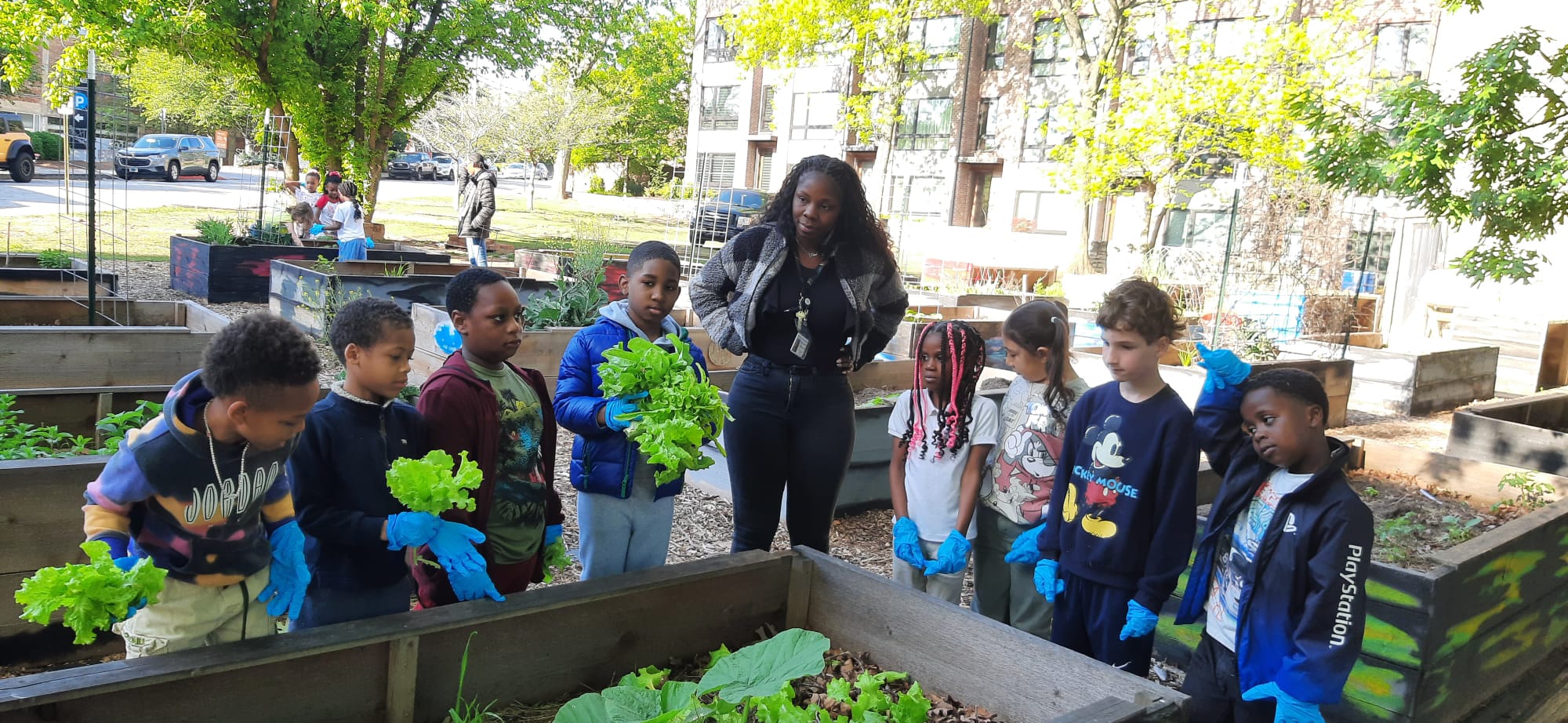
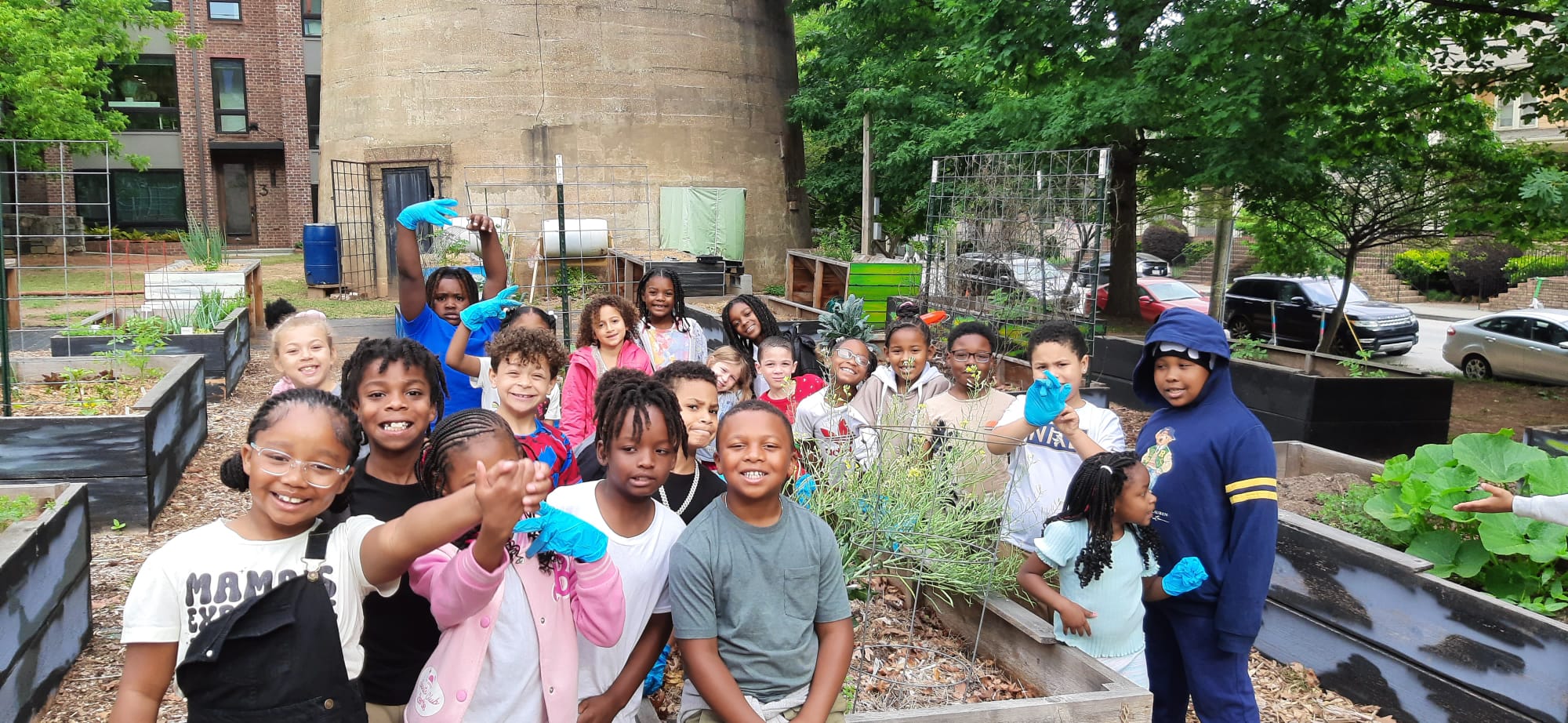
Additionally, to connect production with community education, the farm offers interactive public programs such as the DIG DEEP Volunteer Day, blackberry foraging experiences, and educational workshops that focus on mushroom cultivation. These initiatives invite the next generation and anyone interested in understanding where their food comes from to engage with nature through localized workshops and farm tours.
Navigating Ecological Challenges
Operating an urban farm in Atlanta, a locality often acknowledged as a “city in the forest,” presents a unique set of ecological and structural hurdles. Christopher frequently navigates the realities of sharing space with local wildlife, developing innovative fencing and noise-deterrent techniques to respect the native deer population. Additionally, because the farm is located within a power easement, he aspires for these utility spaces to one day be managed as nature preserves to protect native plants from sudden land clearing.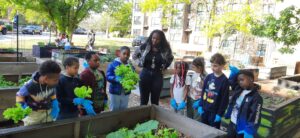
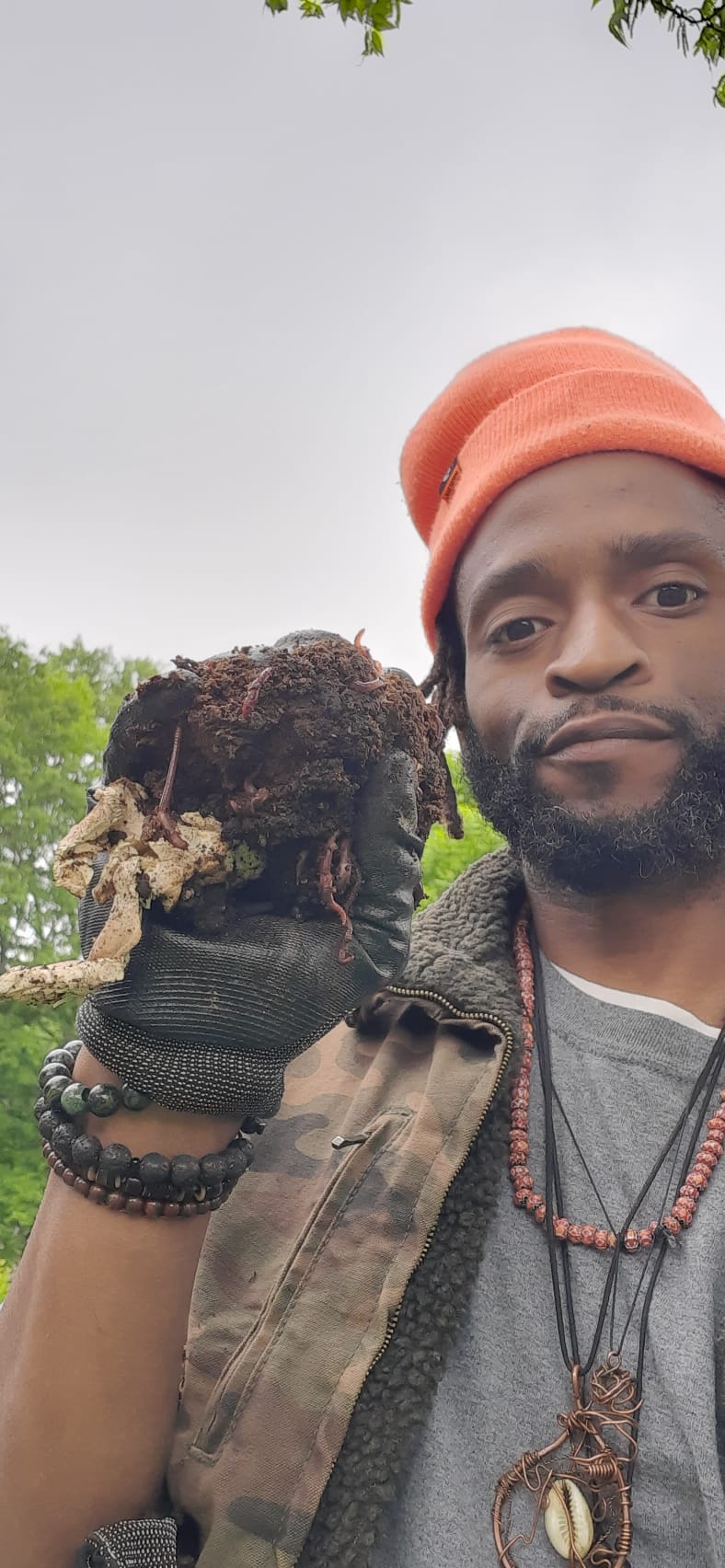
Environmental stewardship also demands strict administrative and physical management to protect local natural resources. Because the property functions as a natural tributary feeding back into Sandy Creek and the Chattahoochee River, Christopher utilizes strict regenerative practices to prevent harmful agricultural runoff.
Furthermore, balancing intensive environmental responsibilities with timely city permitting and the extreme physical demands of farming requires immense personal resilience.“Being able to manage in such a way that I can keep this farm operational and still be able to take care of myself is definitely something to highlight,” he explains.
Words of Wisdom for the Next Generation
For those looking to step into the world of agriculture, Christopher emphasizes that the absolute first step is understanding your personal “why.” Having a clear, unshakeable purpose is what sustains a grower through the rigorous physical and mental demands of the seasons. He cautions new farmers to start small, plan carefully, and prioritize their personal well-being so they do not quickly become overwhelmed by the labor.
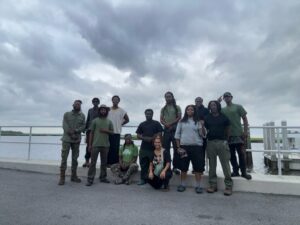
To put the scale of the work into perspective, he advises pacing oneself rather than expanding too quickly. As he puts it, “A half acre can be a lot for somebody to manage and rotate, right? So if you’re not able to manage a half acre, what do you think is going to happen if you get out there and get on 10 acres?”
He also remains highly active in the broader agricultural community, serving as a dedicated educator and the former president of the National Young Farmers Coalition Atlanta chapter. He consistently prioritizes collaboration over competition, frequently leading workshops to uplift emerging growers.
Additionally, Christopher was featured in Georgia Public Broadcasting’s (GPB) “Georgia Pollinators | Live Exploration Program” and participates in the Great Southeast Pollinator Census, a project created by the University of Georgia that encourages involvement in pollinator preservation. He also works closely with the collective Eco-PARADIGM to build infrastructure support for Southern farmers. Through teaching and mutual aid, he continues to cultivate a stronger, more connected ecosystem for Black farmers and growers in the Southeast.
Christopher Lemons is reshaping Atlanta’s urban landscape by honoring his ancestors and practicing ecological mindfulness. He encourages and uplifts others, spreading love while working towards a world that reflects our allied vision for a better future. Through Gratitude Botanical Farm, he is sowing the seeds of knowledge and abundance today, ensuring that the legacy of sustainable Black farming thrives for generations to come.
To learn more about Christopher’s journey at Gratitude Botanical Farm, please visit:
Website: www.gratitudeatl.com
Facebook: Gratitude Botanical Farm
Instagram: Gratitude Botanical Farm
Threads: Gratitude Botanical Farm